
jo coghlan
Jo.Coghlan@une.edu.au
Hi, I’m Jo. I research film, television, and popular culture as sites of cultural power, focusing on how screen media shapes social values, environmental imaginaries, gendered identities, labour, celebrity, and global capitalism. I am a co-founder of the Popular Culture Research Network (PopCRN) and contribute actively to academic and public scholarship.
Jo Coghlan
Associate Professor of Cultural and Political Sociology
University of New England, Australia
Selected Publications (2026)
-
![]()
Jo Coghlan and Huw Nolan, Landscapes That Speak: Terrain, Threshold and Transformations Across Cinema and Culture (Palgrave Macmillan, 2026).
-
![]()
Huw Nolan and Jo Coghlan, Breaking Television: How Breaking Bad Redefined Morality, Genre and the Antihero (Springer, 2026).
-
![]()
Jo Coghlan, Lisa J. Hackett and Huw Nolan (eds), The Barbie Phenomenon: Volume 1 – Gender, Identity, Race and Sexuality (Routledge, 2026).
-
![]()
Lorna Piatti-Farnell, Jo Coghlan, Lisa J. Hackett and Huw Nolan (eds), Representing Bridgerton: Intersectional Perspectives on the Popular Culture Phenomenon (Routledge, 2026).
-
![]()
Jo Coghlan, Lisa J. Hackett and Huw Nolan (eds), The Barbie Phenomenon: Volume 2 – Icon, Brand, Celebrity and Fandom (Routledge, 2026).
-
![]()
Jo Coghlan and Lisa J. Hackett, Revealing History: How Swimsuits Shaped Popular Culture from Bloomers to Bikinis (Reaktion Books, 2026).
-
![]()
Jo Coghlan, ‘Severance: Neoliberal Affect, the Split Subject and Marcuse’s One-Dimensional Society’, in H. Parker and T. Villa (eds), Neoliberalism, Affect and 21st Century Culture (Bloomsbury, 2026).
-
![]()
Jo Coghlan, Lisa J. Hackett and Huw Nolan, ‘“Nobody Does It Better”: Singing Bond and the Gendered Soundscape of 007’, in Lisa Funnell and Monica Germanà (eds), Global Bond Girls: The Impact of a Complex Cultural Icon (Bloomsbury, 2026).
-
![]()
Jo Coghlan, ‘Fearful Performances: Masculinity, Motherhood, and Indigenous Trauma in Australian Horror’, in Steffen Hantke (ed.), Fearful Performances: Stardom, Skill, and Style of Acting in the Horror Film (University of Mississippi Press, 2026).


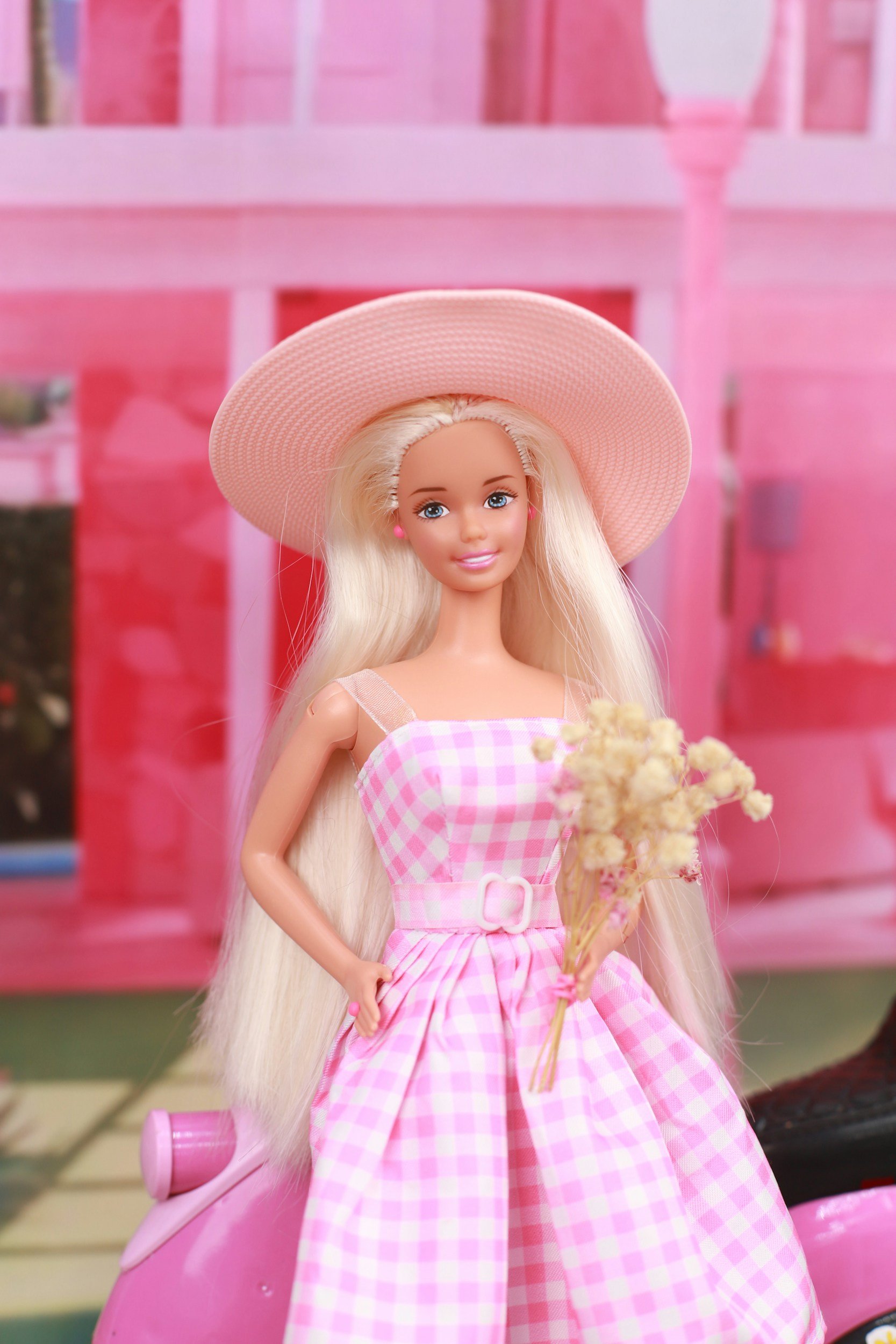

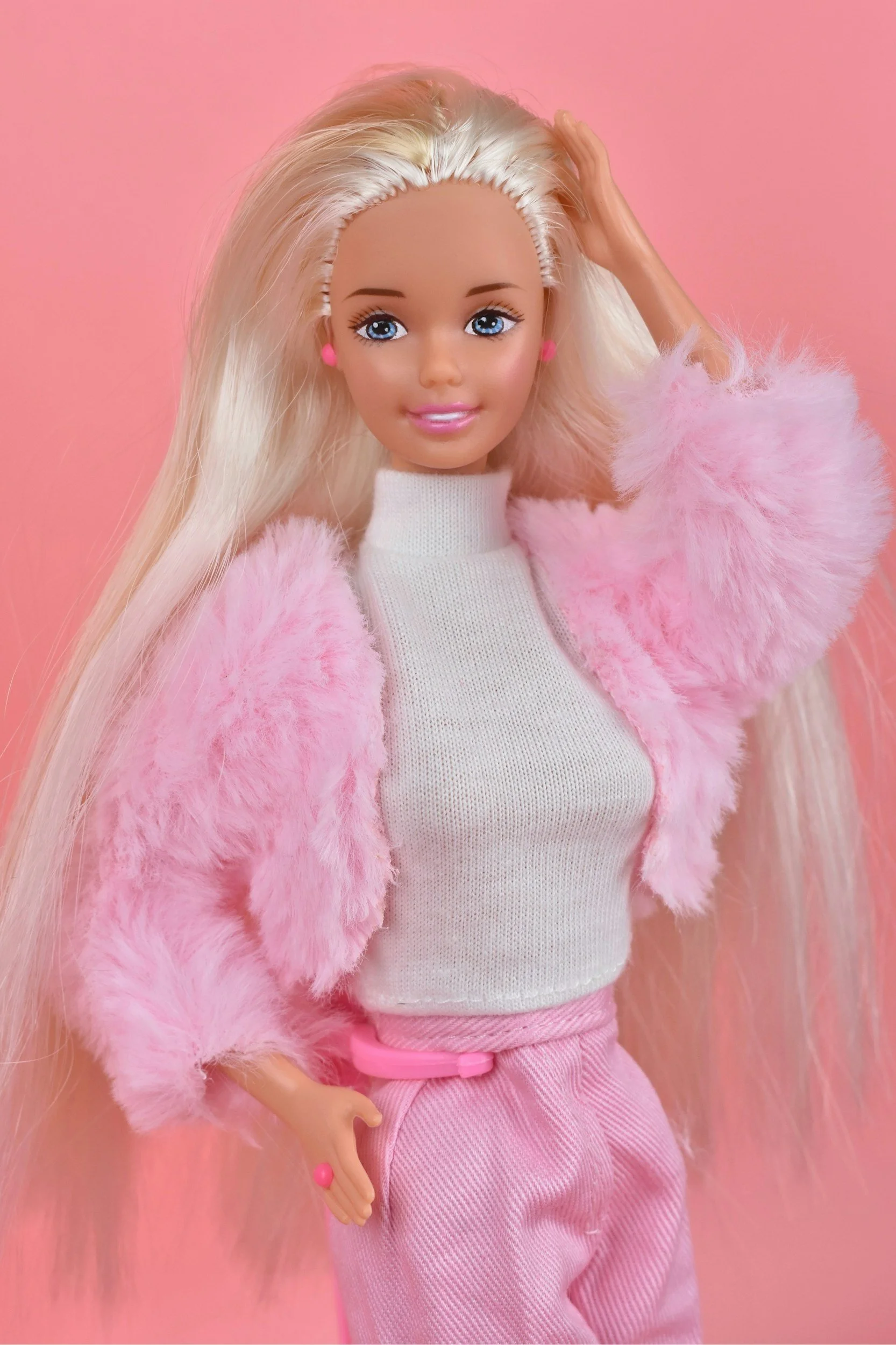




My research examines how screen media shapes power, identity, ethics, and social life. I work across film, television, fandom, and media infrastructures, developing conceptual frameworks that travel across disciplines while remaining grounded in close cultural analysis.
-
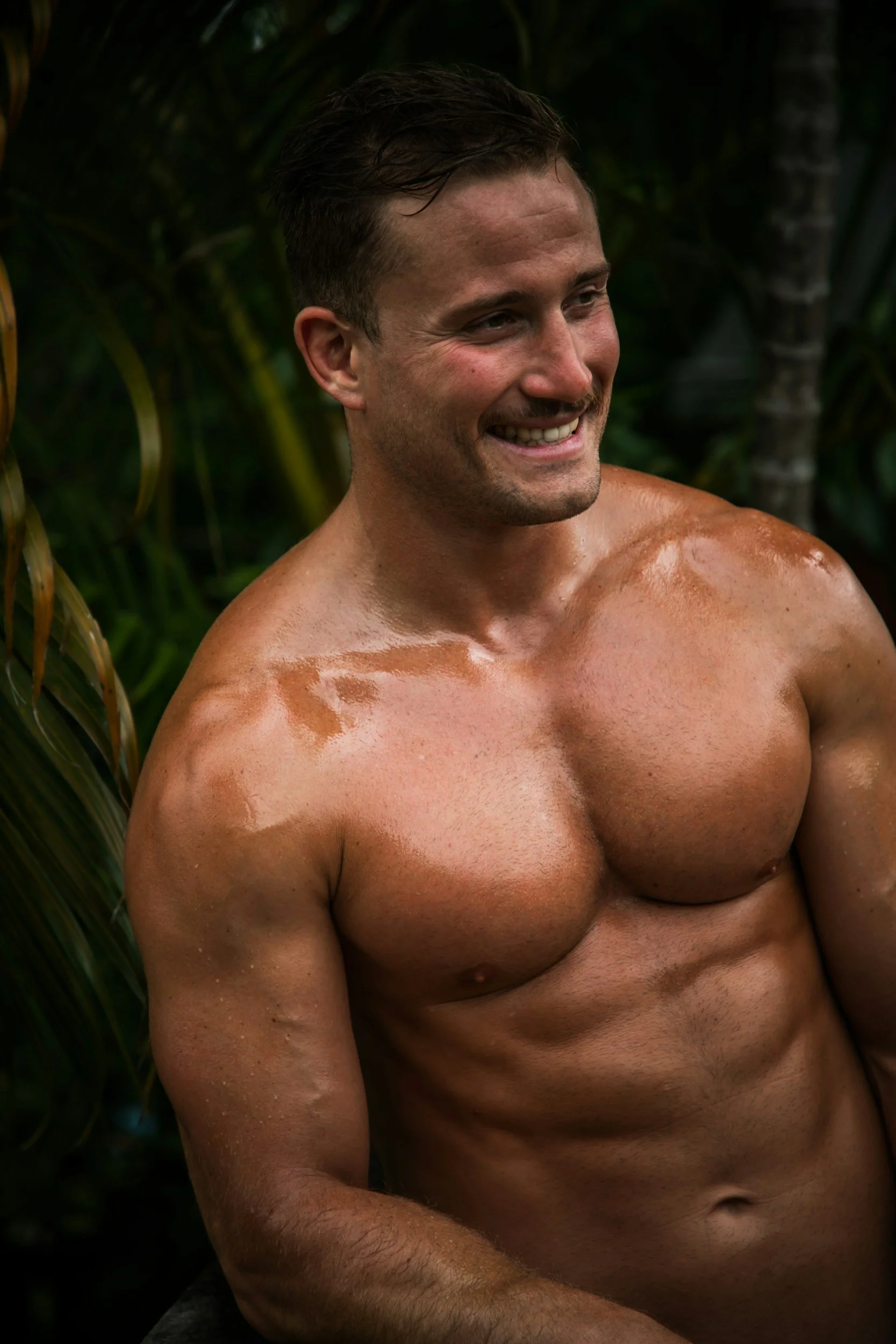
Toxic Masculinity in Australian Cinema, 1970s–2025
Genre, Power, and Cultural Adaptation
This project analyses how Australian cinema has produced and normalised masculine power across five decades, treating film as a diagnostic cultural archive rather than a mirror of social attitudes. Using a genre-relational framework across frontier, domestic, industrial, criminal, and institutional cinemas, it shows how toxic masculinity adapts rather than collapses under critique, recalibrating into less visible but more durable forms of authority. The project develops a portable framework for understanding how masculine power persists through routine practices, institutional legitimacy, and moral narratives.
-

The Cultural Politics of Witnessing
Media, Evidence, Credibility, and Power
With Huw Nolan and Tarryn Corlett
This project examines witnessing as a contested cultural infrastructure through which truth, credibility, memory, and responsibility are produced and managed in contemporary societies. Analysing film, television, documentary, museums, digital platforms, and surveillance cultures, it investigates how publics are trained to interpret evidence, manage doubt, and assign legitimacy. The research focuses on moments where witnessing fails or produces harm, developing a comparative framework for understanding why visibility increasingly outpaces accountability.
-

Heated Rivalry
Transmedia Fandom, Healthy Masculinity, and Queer Joy on Screen
With Erin BurrellThis project analyses Heated Rivalry (Crave, 2025) as a case study in how queer television, BookTok culture, and streaming distribution generate global fandom and cultural impact. It argues that the series’ success emerges from its sustained representation of healthy masculinity, consent, emotional literacy, and care within a hyper-masculine sporting culture. The research examines transmedia fandom, creator transparency, and Canadian screen industry infrastructure to show how popular culture can reimagine masculinity, intimacy, and spectatorship at scale.on goes here
-

Girlhood in Australian Film and Television, 1970s–2025
Affect, Power, and Cultural Formation
With Tess Ezzy
This project analyses how Australian film and television have produced, regulated, and reimagined girlhood across five decades, treating screen culture as a diagnostic cultural archive rather than a mirror of social attitudes. Using a genre-relational framework across youth drama, suburban realism, crime, speculative fiction, and coming-of-age narratives, it examines how girlhood operates as a site where vulnerability, aspiration, care, discipline, desire, and moral responsibility are culturally organised. Rather than positioning girlhood as a purely developmental stage or identity category, the project conceptualises it as a historically adaptive formation shaped by institutions, environments, media infrastructures, and national imaginaries.
-

Sensory Cultures of Food and Eating in Film and Television
Embodiment, Affect, and Everyday Media
With Tess Ezzy
This collaborative project examines how film and television represent food, eating, and sensory experience as sites where embodiment, memory, class, care, and cultural identity are negotiated. Moving beyond food as spectacle or lifestyle content, the research analyses how taste, texture, sound, rhythm, and ritual shape affective attachment and social meaning across domestic drama, reality television, documentary, and art cinema. Drawing on sensory studies, material culture, and screen aesthetics, the project positions food media as a key site where bodies, emotions, everyday ethics, and relational power are trained, regulated, and imagined.